

Anti-aging products: which ones really work and when should you start?
Anti-aging products that actually make a difference come down to four things: a daily SPF, a retinoid such as retinol or retinal, vitamin C and peptides. SPF prevents new sun damage, retinoids and vitamin C work on fine lines and dark spots, and peptides keep your skin supple and firm. Start with SPF plus one active at a time; your mid twenties are a logical moment to begin.
What do anti-aging products actually do?
From your twenties onwards, your skin makes a little less collagen every year, and sun, smoking and too little sleep speed that up. You only see the result later: fine lines, a duller complexion, dark spots and skin that bounces back less quickly. An anti-aging product can't erase wrinkles, but it can limit new damage and help your skin renew itself faster. That makes your skin look smoother, more even and fresher.
So the word anti-aging on its own says very little. What counts is which active is in it and how much. The table below helps you see quickly what to look for.
Which anti-aging ingredients really work?
| Ingredient | What it does | When | Good to know |
|---|---|---|---|
| SPF | Protects against UVA and UVB, the biggest cause of skin aging | Every morning | In winter and on cloudy days too |
| Retinol and retinal | Speeds up cell renewal, works on lines and texture | Evening | Build up slowly, not during pregnancy |
| Vitamin C | Antioxidant, fades spots and brightens your complexion | Morning | Sensitive to light and air, close it tightly |
| Peptides | Support firm, supple skin | Morning and evening | Gentle, combines with almost everything |
| Bakuchiol | Plant-based ingredient often used as a gentler alternative to retinol | Morning and evening | Nice for sensitive skin |
Why is SPF the most important anti-aging product?
Most visible skin aging is caused by UV radiation. UVA goes deep, even through clouds and glass, and breaks down collagen. That's why a daily face SPF is the base of every anti-aging routine; without it, the rest of your products are swimming against the tide.
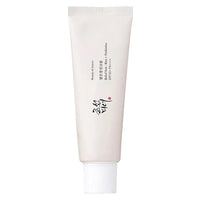
Pick a sunscreen you actually enjoy wearing every day. Relief Sun: Rice + Probiotics SPF50+ by Beauty of Joseon protects with SPF50+ against UVB and PA++++ against UVA, feels light and leaves no white cast, not even under makeup.
Retinol or retinal: where do you start?
Retinol and retinal are both forms of vitamin A. They signal your skin to make new cells faster, so fine lines and uneven texture visibly improve after a few months. Retinal is one step closer to the active form than retinol, so it works faster, but it can also be more irritating.
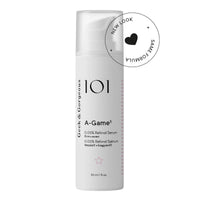
That's why you start low. The A-Game 5 0.05% Retinal Serum by Geek & Gorgeous is the lowest of three strengths and releases the retinal slowly. Panthenol and allantoin help calm the skin, and it contains no fragrance and no alcohol. Use it two evenings a week for the first few weeks, then build up.
Some mild redness or flaking at the start is normal. Read more about getting started in what is retinol.
What does vitamin C do against skin aging?
Vitamin C is an antioxidant. It neutralises harmful particles created by sun and pollution, gradually fades dark spots and gives your complexion more radiance. It works best in the morning under your SPF, because the two complement each other.
The C-Glow 15% Vitamin C Serum by Geek & Gorgeous contains 15 percent pure L-ascorbic acid, with ferulic acid and vitamin E to stabilise it. The texture is water-light and absorbs quickly. If your skin is sensitive, use it every other day at first. You'll find other strengths and formats under vitamin C.

What if your skin doesn't tolerate retinol?
Then peptides and bakuchiol are a gentler route. Peptides are small protein building blocks that help skin stay firm and supple. Bakuchiol is a plant-based ingredient often used as a gentler alternative to retinol, without the typical flaking.
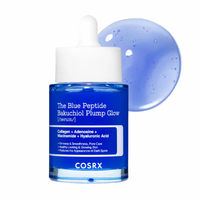
The Blue Peptide Bakuchiol Plump Glow Serum by COSRX combines copper peptide (Copper Tripeptide-1) with bakuchiol. It hydrates, makes fine lines less noticeable and feels light. You can use it morning and evening.
Do you need a separate eye cream?
The skin around your eyes is thinner and drier than the rest of your face, and that's often where the first lines show. An eye cream isn't a must, but it's handy if your face products sting there.
The Retinol 0.1 Caffeine Revitalizing Eye Cream by Anua combines a low dose of retinol with caffeine, ceramides and hyaluronic acid. It works on fine lines and makes the skin under your eyes look fresher, while ceramides support the skin barrier.

At what age should you start with anti-aging?
You can't start SPF too early. An antioxidant like vitamin C is a logical second step from your twenties. Somewhere between 25 and 30 is a good moment for a retinoid, especially once you notice the first lines or spots. Older and only starting now? It's definitely not too late: your skin responds at any age. For skin that is getting drier and thinner, also read skincare for mature skin.
How do you build an anti-aging routine?
Keep it simple. Morning: cleanse, vitamin C, moisturiser and SPF. Evening: cleanse, your retinoid or peptide serum, and a moisturiser. Add one new active at a time and give your skin four to six weeks before you introduce the next. That way you know what works and what your skin doesn't like. Looking for a serum that suits you? Have a look at our anti-aging serums.
Frequently asked questions
How quickly do you see results from anti-aging products?
Vitamin C and hydration often give a fresher complexion within a few weeks. For lines and texture with retinol or retinal, count on three to six months.
Can you use retinol and vitamin C together?
Yes, just not at the same time. Use vitamin C in the morning and your retinol or retinal in the evening.
Can you use retinol when you're pregnant?
No, retinol and retinal are not recommended during pregnancy and breastfeeding. If you're unsure about a product, check with your doctor or midwife.
Do you need SPF in winter too?
Yes. UVA is around all year and passes through clouds, so a daily SPF remains the best protection against skin aging.